


Housing availability in Canada reached crisis levels. Canadians can’t afford to buy, and they also have difficulty finding affordable rentals. The rental housing crisis has become a defining issue. In Vancouver, the average two-bedroom apartment rents for $3,170 monthly. In Toronto, it’s $2,690. More than 105,000 British Columbia households spend over half their income on housing, a threshold that places them at extreme risk of homelessness. And that risk is materializing. By April 2024, Toronto counted 10,964 individuals experiencing active homelessness. Vancouver’s streets tell a similar story of policy failure made visible in tent encampments and shelter overflows.
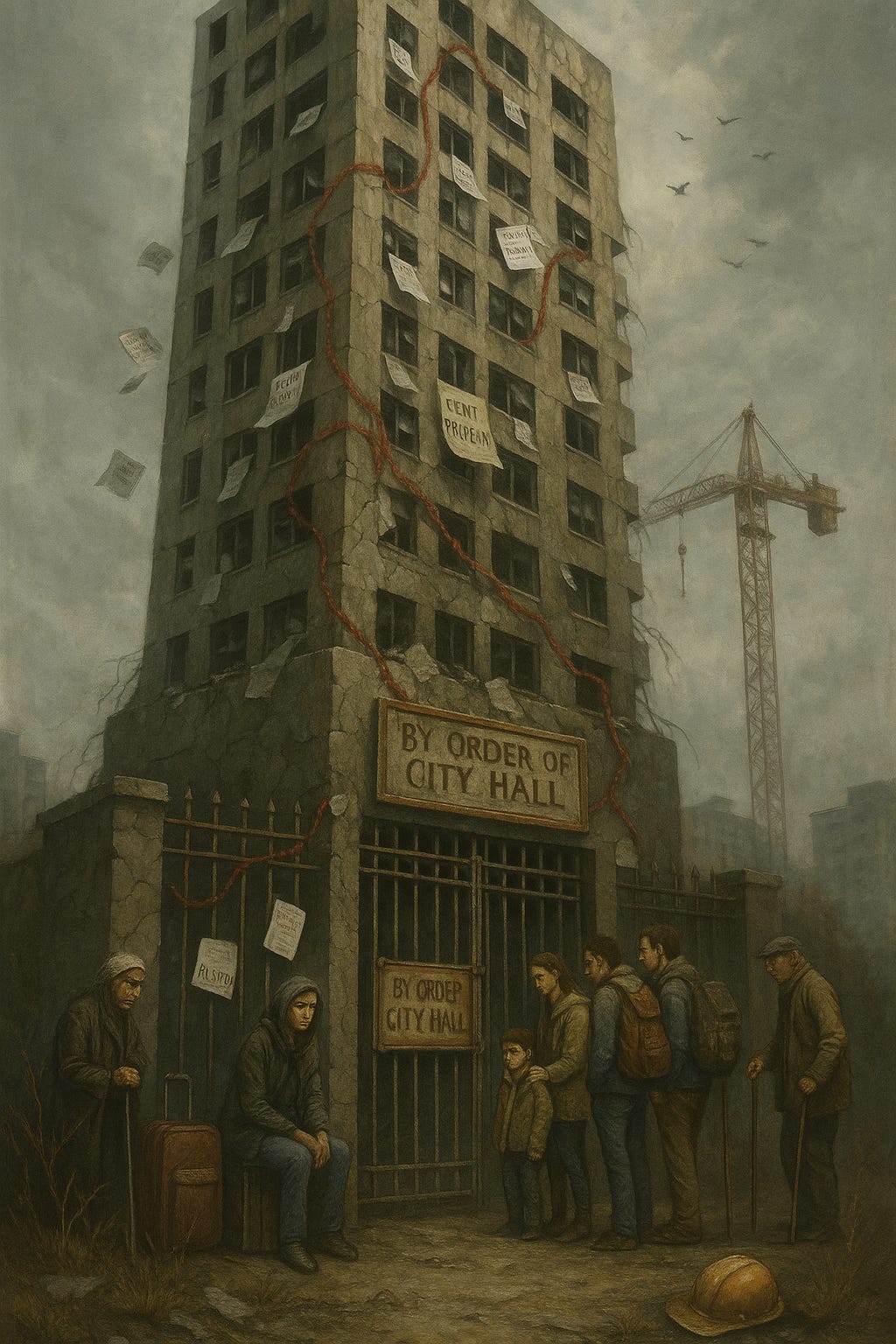
Yet despite decades of government intervention through rent controls, vacancy regulations, and affordability programs, the crisis deepens year after year.
Meanwhile, halfway around the world, Argentina achieved something remarkable. After repealing rent control in December 2023, rental supply surged by 300 percent within 18 months, while real prices plummeted by 67 percent. The contrast between these two approaches offers vital lessons for Canadian policymakers willing to learn them.
